On This Page
Define the job before requesting quotations
Write a short mission brief that the operating team and the eventual data
recipient both accept. Include the assets or area, frequency of work, required
viewpoints, deadlines, operating environment, and the decision the result will
support. Identify what is outside the purchase, such as engineering diagnosis or
additional survey control.
For example, a facilities team might need repeatable photographs of specified
roof details, indexed to building and location. That requirement needs a
different demonstration from producing a dimensionally checked site model.
Asking both suppliers merely for a camera resolution and flight-time figure
leaves the intended result unresolved.
The federal
performance work statement provision in FAR 37.602
frames service requirements around results and measurable performance. It is a
useful precedent for writing the deliverable portion of a procurement, rather
than a rule imposed here on private equipment purchases.
Provide bidders with the inputs needed to respond: site maps, access
arrangements, representative asset images, existing coordinate conventions,
file-format requirements, network restrictions, and the staff who will operate
and review the system. Flag missing information so it becomes an explicit
assumption in the proposal.
Separate equipment delivery from the work it will enable. A supplier can deliver
the correct aircraft while your team still lacks the processing license,
reference data, or training needed for the first assignment. For a service
purchase, the
drone inspection scope-of-work guide
develops the coverage, deliverable, and rework terms in more detail.
Use a checklist that requires proof
Ask each bidder to mark every requirement as included, conditional, excluded, or
separately priced. Add the proposed evidence, the person responsible for
reviewing it, and the date it must be resolved. Keep mandatory requirements
separate from preferences: a strong score for convenience should not compensate
for an unusable export or an unresolved operating constraint.
Procurement requirements and verification records
Scroll horizontally to compare all columns.
This is an editorial procurement template, informed by the FAA operating
guidance, NIST test and security guidance, and the performance-work principles
cited here. It is not a certification checklist or a universal set of
performance limits. Set the numerical requirements for the actual job with the
responsible technical reviewer.
Test the complete configuration
A demonstration should cover the chain from unpacking through the recipient
opening the finished files. Record the aircraft and sensor configuration,
software versions, operator, conditions, elapsed stages, interruptions, and
corrective actions. Require the vendor to identify any difference between the
demonstration system and the delivered package. Where throughput matters, record
setup, collection, battery changes, processing, and review separately so a
flight-time figure cannot stand in for the time to a usable result.
Use a representative task with an agreed scoring method.
NIST's explanation of response-robot test methods
distinguishes a repeatable test procedure from a standard equipment
specification. Its approach uses defined apparatus, procedures, metrics, and
fault conditions. For procurement, the useful lesson is to make a demonstration
repeatable enough to compare results, while choosing the task to match your
mission.
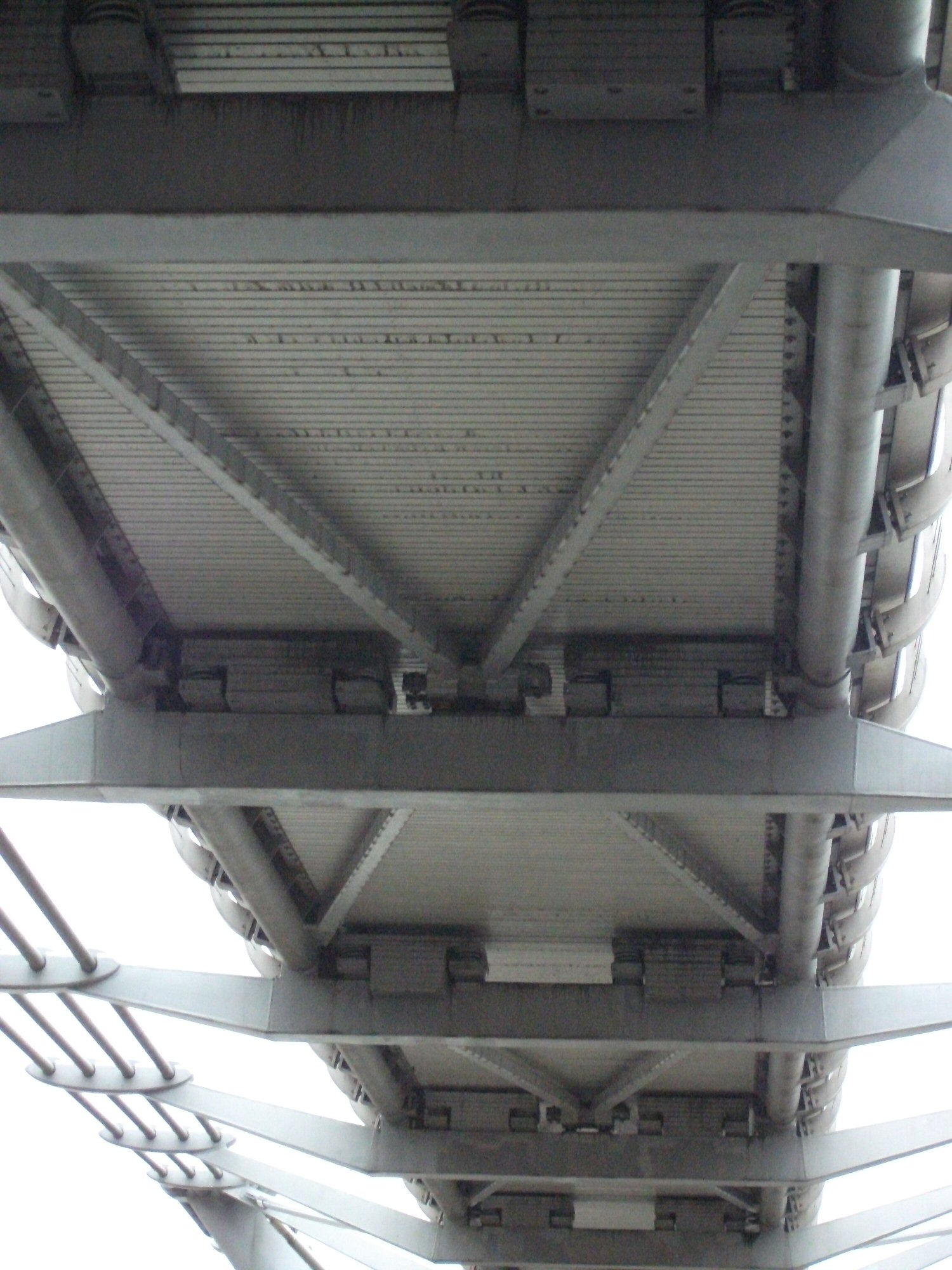
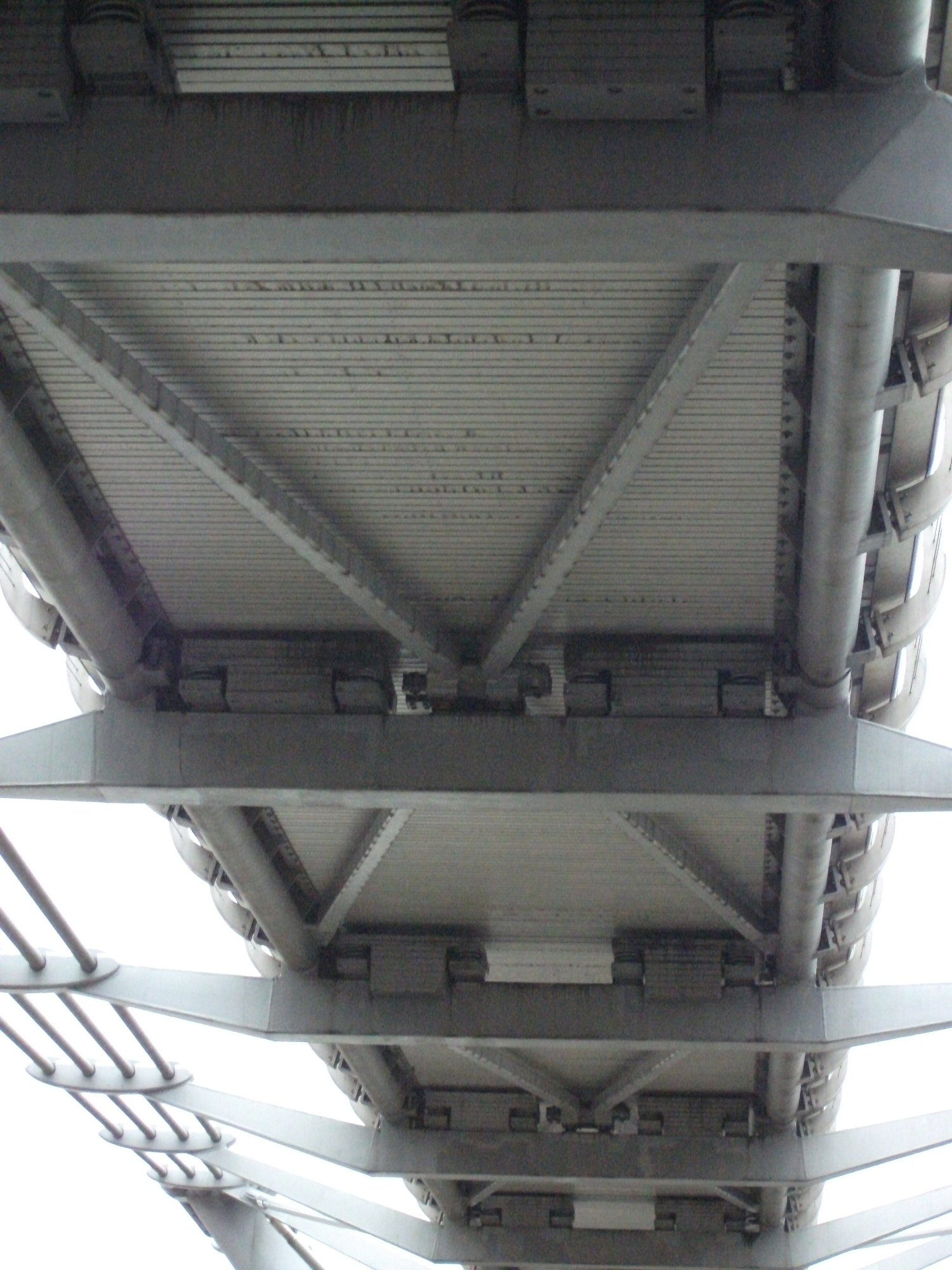
Do not treat an open-field demonstration as proof of performance under a bridge,
near obstructions, or at a site with different lighting and communications
conditions. Ask the supplier to document which conditions were actually
demonstrated and which remain untested. The
bridge inspection capabilities and blind-spots guide
shows why access and usable viewpoints deserve separate attention.
Check the result, not just the flight
For visual documentation, have the technical reviewer identify representative
features that must be readable in original files. For a mapping assignment, ask
for the coordinate reference, units, control method, and a report comparing the
delivered model with reference positions. A visually convincing model is not an
accuracy report.
PIX4D's technical explanation of tie points
distinguishes ground control used to georeference a model from checkpoints used
to assess accuracy. Its quality report compares initial and computed checkpoint
positions. Require an appropriate independent check plan for your output, with
responsibility for reference measurements agreed before the trial. Do not
convert a camera specification or a favorable demonstration into a universal
accuracy promise.
Include routine recovery in the review: interrupted processing, a rejected image
set, an unavailable network connection, or a failed import. Review
flight-related contingency procedures against the exact aircraft documentation,
and use a controlled exercise where appropriate. Do not induce hazardous
failures at an operating site simply to complete a purchasing checklist.
A limited trial establishes results for its documented conditions. It cannot
establish long-term reliability, every seasonal condition, or the competence of
a different crew. Repeat important tasks with the intended operating team after
training, and record assistance from the vendor. Ask what additional training or
staged evaluation is needed before broader deployment.
Confirm the operating pathway
For U.S. work with a small drone weighing less than 55 pounds, the FAA
identifies
Part 107 as a pathway for business operations.
Its guidance covers pilot certification, registration, and operations that may
need waivers. Purchasing an aircraft does not itself resolve the permissions for
the intended mission.
Have the proposed operator review the actual sites and flight pattern before
selection. Identify airspace requirements and any operation that depends on a
waiver or other approval. If the business case assumes remote or
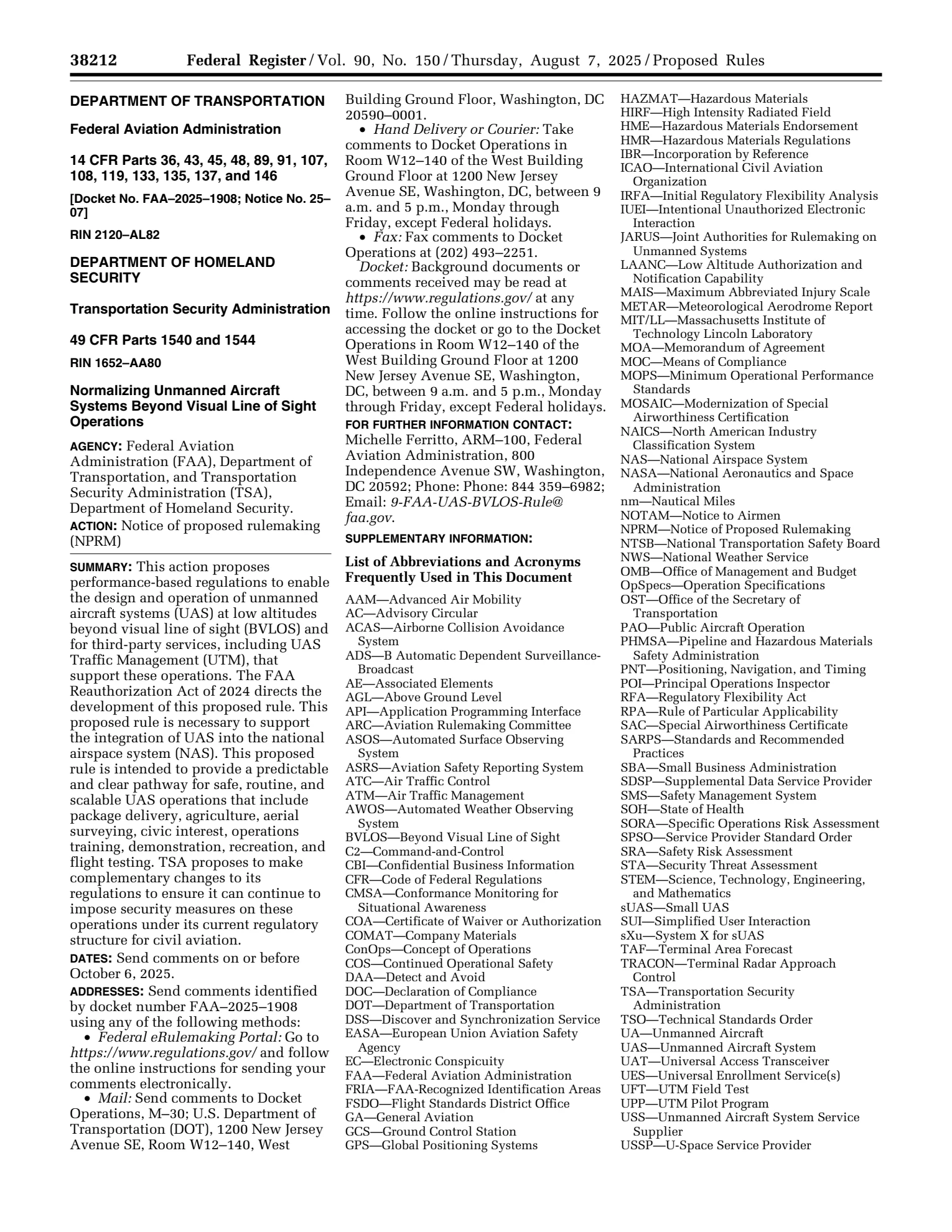
beyond-visual-line-of-sight work, require the applicable authority and its
conditions to be identified explicitly; a supplier's description of technical
range is insufficient.
Also ask how the exact delivered configuration will meet Remote ID requirements.
The FAA's
Remote ID guidance directs
buyers and operators to check its accepted Declarations of Compliance. It
distinguishes built-in Standard Remote ID from retrofit broadcast modules, whose
use requires the pilot to be able to see the drone throughout flight. Match the
relevant model and serial-number information, rather than accepting a generic
brand-level claim.
Assign a separate owner to check any purchasing restrictions imposed by your
organization, customer, funding agreement, or jurisdiction. Request the actual
requirement and the evidence that addresses it. Do not assume that an operating
permission, a procurement eligibility statement, and a security review establish
the same thing. The guide to
checking commercial drone claims in primary records
explains how to distinguish those records.
Make data access part of acceptance
List where images, flight records, processed outputs, and user information go.
Include the aircraft, controller, mobile application, desktop processor, cloud
service, and any subcontractor. Ask which connections are required for
activation, routine operation, processing, updates, and export. Test the
functions your team needs under the network restrictions that will actually
apply.
NISTIR 8259A
provides a general connected-device baseline covering identification,
configuration, data protection, interface access, software updates, and
cybersecurity-state awareness. Use it to structure technical questions, not to
imply that a particular drone is certified or secure. Ask for demonstrations of
relevant controls and an explanation of what the aircraft cannot enforce without
supporting systems.
Contract terms need their own review. Specify ownership and permitted uses of
original and processed data, approved hosting arrangements, retention and
deletion, access for subcontractors, and permission for any reuse. Have the
receiving team import a representative export into its own system. Check asset
identifiers, timestamps, coordinate references where applicable, and whether
attachments remain associated with the right record.
Finally, rehearse departure from the service. Ask what can be exported, in which
formats, during what period, at what charge, and what remains usable after a
subscription ends. A working hosted viewer does not answer those questions.
Record the supplier's commitments in the order rather than leaving them in a
demonstration conversation.
Compare ownership costs on the same basis
Request a cost schedule for the complete configuration over a stated period and
expected workload. Include acquisition, setup, training, batteries and other
consumables, scheduled maintenance, repairs, software, data storage, processing,
connectivity, insurance, and staff time. Distinguish firm quotations from
allowances and items whose cost has not been established.
Ask for the warranty's exclusions, repair location and shipping
responsibilities, support hours, expected parts support, and options during an
outage. A warranty term alone does not establish how quickly the team can return
to work. Put any loan equipment or turnaround commitment in writing, including
its conditions.
For comparison purposes, total ownership cost is the sum of acquisition, setup,
operating, support, and exit costs, less any supported residual value. Avoid
double counting bundled licenses or the same labor in multiple categories.
Compare a service quotation using the same deliverable, quality checks, volume,
and time period.
Do not credit hypothetical labor savings while omitting processing, review,
repeat visits, or the work still performed by another method. Use the trial to
record those activities. If workload is uncertain, price a lower-volume case and
a busier case using explicitly stated assumptions. That reveals whether
ownership depends on utilization your organization has not yet demonstrated,
without pretending to know a market-average payback period.
Set the handover and purchase decision
Before ordering, turn the agreed checks into a handover schedule. Name the
delivered configuration, required documents, training, representative task,
sample outputs, reviewers, correction procedure, and acceptance milestone.
Distinguish receipt of the shipment from acceptance of the working system, and
specify what each milestone permits the supplier to invoice. Keep unresolved
requirements visible, with a responsible person and a deadline.
For an illustrative visual-documentation trial, require every item on the agreed
asset list to have either a usable indexed image or a recorded exception. Ask
the recipient to trace a finding back to its original file, open the exported
register, and identify areas still requiring another method. The buyer must
decide which exceptions permit acceptance; an exception log should not silently
count as completed coverage.
Close the supplier discussion with four questions:
- Which mandatory requirement remains conditional, and what must happen to
resolve it?
- Which demonstrated result depends on equipment, software, or expertise
excluded from the quotation?
- What correction, replacement, or commercial remedy applies if the delivered
configuration fails the agreed checks?
- Can the intended operating and receiving teams complete the workflow without
continuing demonstration support?
Proceed when the mandatory requirements are met and the remaining limitations
are acceptable for the intended work. Where the method is promising but
unproven, specify a bounded pilot before scaling the purchase. Where the
required output cannot be demonstrated, revise the method or scope before
committing to the equipment.
Source notes
- FAR 37.602, Performance work statement:
Federal acquisition provision on results and measurable performance, used as a
service-requirement drafting precedent, not a private-purchase mandate.
- NIST, Background to aerial drone and response-robot test methods:
Government technical guidance on repeatable tests, metrics, and fault
conditions; not a model-specific performance finding.
- PIX4D, Tie points in photogrammetry projects:
Manufacturer technical documentation explaining control points, checkpoints,
and reported position differences.
- FAA, Certificated Remote Pilots including Commercial Operators:
Official U.S. guidance on the Part 107 pathway, pilot certification,
registration, and waiver considerations.
- FAA, Remote Identification of Drones:
Official guidance on Remote ID methods and checking accepted Declarations of
Compliance.
- NISTIR 8259A, IoT Device Cybersecurity Capability Core Baseline:
May 2020 general connected-device security guidance, used to frame technical
questions rather than certify a drone.
Last checked: September 9, 2026.